Introduction
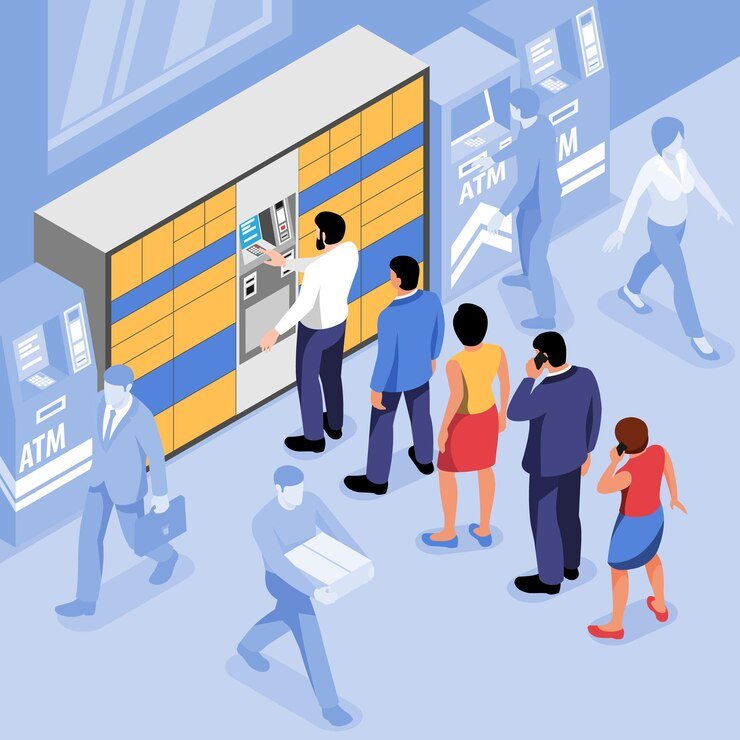
In Pakistan’s bustling commercial landscape—from the corporate hubs of Karachi to government offices in Islamabad—waiting in long, chaotic lines has become an all-too-familiar frustration for citizens and customers alike. This common experience of uncertain wait times, crowded spaces, and inefficient service not only damages customer satisfaction but directly impacts business productivity and revenue.
The solution to this universal challenge lies in modern queue management systems—intelligent technological solutions that are transforming how organizations manage customer flow and service delivery. This guide explores what queue management systems are, their transformative benefits, and why they’re becoming essential for businesses and institutions across Pakistan, with particular focus on implementation in Karachi. We’ll also examine how The NextGen Technologies is leading this digital transformation by providing tailored, cutting-edge solutions that address Pakistan’s unique operational challenges.
What is a Queue Management System?
A queue management system (QMS) is a comprehensive technological framework designed to organize, monitor, and optimize customer flow within service environments. Far more sophisticated than simple “take-a-number” ticketing, modern QMS solutions use hardware and software to create seamless, transparent, and efficient customer experiences.
At its core, a QMS transforms chaotic waiting areas into organized service environments through several integrated components:
- Digital check-in points: Self-service kiosks, tablet-based stations, or QR code scanning for contactless queue joining
- Virtual queuing capabilities: Mobile apps or SMS-based systems that allow customers to join queues remotely and receive notifications about their status
- Real-time information displays: Digital signage showing queue status, wait times, and service point information
- Service point management: Counter displays and notification systems for staff
- Centralized management software: Cloud-based dashboards providing analytics, reporting, and system control
How Modern Systems Differ From Traditional Approaches
Traditional queuing relies on physical lines or basic paper ticketing, creating numerous pain points: uncertain wait times, crowded waiting areas, “line-cutting” perceptions, and limited data for service optimization. Modern QMS solutions address these issues by:
- Reducing perceived wait times through entertainment or informational content on displays
- Improving service transparency with accurate wait time estimates
- Enabling remote queuing so customers can wait comfortably elsewhere
- Providing valuable operational data to optimize staffing and service delivery
The Transformative Benefits of Queue Management Systems
Implementing an effective queue management system delivers measurable returns across multiple dimensions of organizational performance:
For Customers:
- Enhanced Experience: Reduced frustration from uncertain waits and crowded spaces
- Increased Convenience: Options for remote queuing and real-time status updates
- Fair Service: Transparent, first-come-first-served processing eliminates perceptions of unfairness
- Time Reclamation: Ability to use waiting time productively rather than standing in line
For Organizations:
- Operational Efficiency: Optimized staff allocation based on real-time demand patterns
- Increased Service Capacity: Faster throughput and reduced idle time between customers
- Valuable Business Intelligence: Data-driven insights into peak periods, service times, and customer behavior
- Improved Staff Morale: Reduced stress from managing chaotic crowds and customer complaints
- Enhanced Professional Image: Modern, organized service environment projects competence and customer care
Return on Investment Metrics
Organizations implementing QMS solutions typically report:
- 30-50% reduction in perceived wait times
- 20-40% increase in customer satisfaction scores
- 15-30% improvement in staff productivity
- Significant decrease in customer complaints related to waiting
- Valuable data for strategic planning and resource allocation
Queue Management System in Karachi: Addressing Urban Challenges
As Pakistan’s largest city and economic hub, Karachi presents unique challenges that make queue management systems particularly valuable. The city’s dense population, high-volume commercial activity, and diverse service sectors create specific operational requirements.
Sector-Specific Applications in Karachi:
Banking and Financial Services
Karachi’s banking sector serves millions of customers through branch networks. QMS solutions in this sector:
- Manage multiple service types (teller services, account opening, loans)
- Prioritize premium customers while maintaining fairness
- Integrate with digital banking platforms for appointment scheduling
- Reduce lobby congestion during peak periods
Healthcare Facilities
Hospitals and clinics implement QMS to:
- Streamline patient registration and triage processes
- Manage appointments alongside walk-in patients
- Reduce overcrowding in waiting areas (particularly important post-pandemic)
- Provide estimated wait times for different departments
Government and Municipal Services
Citizen service centers use QMS to:
- Handle high volumes of document processing and application submissions
- Route citizens to appropriate service counters
- Reduce wait times for essential services
- Improve transparency in public service delivery
Retail and Customer Service
Large retailers and service centers deploy QMS to:
- Manage customer service desks and returns processing
- Handle peak shopping periods and promotional events
- Provide omni-channel service integration
Implementation Considerations for Karachi:
- Technology Infrastructure: Ensuring system reliability despite occasional power fluctuations
- Multilingual Support: Accommodating Karachi’s diverse linguistic landscape
- Scalability: Systems must handle extremely high customer volumes during peak periods
- Climate Considerations: Hardware must withstand Karachi’s humidity and temperature variations
Queue Management System Implementation Across Pakistan
The adoption of queue management technology is accelerating across Pakistan as organizations recognize its strategic value. While implementation varies by region and sector, several key trends are shaping the national landscape:
Nationwide Adoption Patterns:
Healthcare Sector Leadership
Pakistan’s healthcare providers have been early adopters of QMS technology, with notable implementations including:
- The successful deployment across 26 healthcare sites in Khyber Pakhtunkhwa, demonstrating scalability
- Major hospital groups in Lahore and Islamabad integrating QMS with patient management systems
- Specialized clinics using appointment scheduling alongside walk-in management
Financial Services Digital Transformation
Banks are incorporating QMS as part of broader digital transformation initiatives:
- Integration with mobile banking apps for branch visit scheduling
- Premium customer management through priority queuing
- Data analytics for branch network optimization and resource planning
Government Modernization Initiatives
Federal and provincial governments are implementing QMS to:
- Improve citizen service delivery as part of e-governance initiatives
- Increase transparency and reduce processing times for documents and permits
- Manage high-volume service centers efficiently
Emerging Retail and Hospitality Applications
Shopping malls, restaurants, and service businesses are adopting QMS to:
- Enhance customer experience during promotions and peak periods
- Manage waiting lists for popular establishments
- Integrate with loyalty programs and customer relationship management
Implementation Models in Pakistan:
| System Type | Key Features | Ideal For | Implementation Complexity |
|---|---|---|---|
| Basic Ticketing | Paper or simple digital tickets, basic displays | Small offices, low-budget implementations | Low |
| Integrated Digital | Kiosks, digital signage, basic analytics | Medium businesses, healthcare clinics | Medium |
| Virtual Queuing | Mobile app integration, SMS notifications, remote joining | Banks, government centers, customer-focused businesses | High |
| Enterprise Platform | Multi-location management, advanced analytics, CRM integration | Bank networks, hospital chains, large retailers | Very High |
The NextGen Technologies Advantage
As a leading technology solutions provider in Pakistan, The NextGen Technologies has established itself as the premier partner for queue management system implementation. Our approach combines global best practices with deep local market understanding to deliver solutions that drive tangible business results.
Why Choose The NextGen Technologies?
Comprehensive Solution Portfolio
We offer a range of QMS solutions tailored to different organizational needs and budgets:
- Entry-level systems for small businesses and offices
- Medium-scale implementations for growing organizations
- Enterprise platforms for multi-location management
- Custom solutions for unique operational requirements
Deep Local Expertise
With implementation experience across Pakistan’s major cities—including numerous successful deployments in Karachi—we understand the specific challenges and opportunities in the Pakistani market. Our solutions are designed with consideration for:
- Local infrastructure conditions
- Cultural and linguistic factors
- Sector-specific regulatory requirements
- Integration with commonly used business systems
End-to-End Service Approach
We provide complete implementation support:
- Needs Assessment: Analyzing your specific customer flow patterns and pain points
- Solution Design: Recommending the optimal technology mix for your requirements
- System Integration: Seamlessly connecting QMS with existing business systems
- Implementation Management: Ensuring smooth deployment with minimal disruption
- Training and Support: Empowering your staff to maximize system benefits
- Ongoing Optimization: Using system data to continuously improve operations
Proven Track Record
Our implementations across banking, healthcare, government, and retail sectors have consistently delivered:
- Significant reductions in customer wait times
- Measurable improvements in customer satisfaction
- Increased staff productivity and morale
- Valuable operational insights through data analytics
Implementation Roadmap: From Concept to Results
Successfully implementing a queue management system requires careful planning and execution. Based on our experience with organizations across Pakistan, we recommend the following approach:
Phase 1: Assessment and Planning (Weeks 1-2)
- Conduct current state analysis of customer flow and pain points
- Define clear objectives and success metrics
- Identify stakeholder requirements and concerns
- Develop implementation timeline and resource plan
Phase 2: Solution Design (Weeks 3-4)
- Select appropriate technology components
- Design customer journey maps and service workflows
- Plan hardware placement and infrastructure requirements
- Develop integration approach with existing systems
Phase 3: Implementation (Weeks 5-8)
- Install and configure hardware components
- Implement software and system integration
- Conduct comprehensive testing
- Develop training materials and user documentation
Phase 4: Launch and Optimization (Weeks 9-12)
- Conduct staff training and orientation
- Soft launch with monitoring and adjustment
- Full system launch with support team in place
- Begin data collection for performance analysis
Phase 5: Continuous Improvement (Ongoing)
- Regular review of system performance data
- Implementation of optimizations based on insights
- System updates and expansion as needed
- Ongoing staff training and support
Conclusion
In Pakistan’s rapidly evolving service economy, queue management systems have transitioned from luxury to necessity. They represent a powerful tool for organizations seeking to enhance customer experiences, optimize operations, and gain competitive advantage. Particularly in high-density urban centers like Karachi, implementing an effective QMS can transform customer service delivery and drive significant business benefits.
The journey toward efficient customer flow management begins with selecting the right technology partner—one with both technical expertise and local market understanding. The NextGen Technologies combines these qualities with a proven track record of successful implementations across Pakistan’s diverse business landscape.
By embracing modern queue management solutions, Pakistani organizations can not only address the immediate challenges of customer waiting but also build foundations for data-driven operational excellence. The transformation from chaotic lines to streamlined service experiences is within reach, promising benefits for customers, staff, and organizational performance alike.
Frequently Asked Questions (FAQs)
1. What is the typical cost range for implementing a queue management system in Pakistan?
Costs vary significantly based on system complexity and scale. Basic ticketing systems can start from PKR 100,000-200,000, while comprehensive enterprise solutions with virtual queuing and advanced analytics may range from PKR 1-5 million. Most providers offer customizable packages, and The NextGen Technologies provides detailed quotations based on specific requirements and ROI analysis.
2. How long does implementation typically take from decision to full operation?
Timelines depend on system complexity. Basic implementations can be completed in 4-6 weeks, while enterprise deployments with multiple locations and complex integrations may require 3-4 months. The NextGen Technologies follows a phased approach that includes planning, implementation, testing, and training to ensure smooth transitions.
3. Can queue management systems integrate with our existing customer database or CRM?
Yes, modern QMS solutions typically offer integration capabilities through APIs or standard data interfaces. The NextGen Technologies has experience integrating with various business systems commonly used in Pakistan, including banking platforms, hospital management systems, and government databases.
4. What happens if there’s a power outage or system failure?
Reputable systems include contingency measures. These may include battery backups for critical components, offline modes that allow basic ticketing to continue, and failover mechanisms. The NextGen Technologies designs systems with redundancy where needed and provides rapid response support for any technical issues.
5. How do we handle customers who are not comfortable with digital systems?
A well-designed QMS accommodates all customer types. This typically includes assisted service options where staff can help customers use kiosks, alternative paper-based ticketing as backup, and clear signage with instructions. The NextGen Technologies focuses on creating intuitive, user-friendly interfaces and provides staff training to ensure smooth adoption across customer demographics.